Research on STEM mentoring shows that positive mentoring experiences have a significant impact on the success of graduate students in STEM fields. Graduate students who experienced good mentoring are “provided with an alternate support network and had helped increase their self-esteem” which in turn led them to be “better [prepared] for a career” in their field of choice. The National Science Foundation has embraced the importance of mentoring on research experiences of young and emerging researchers through its Research Experience Mentoring program (REM).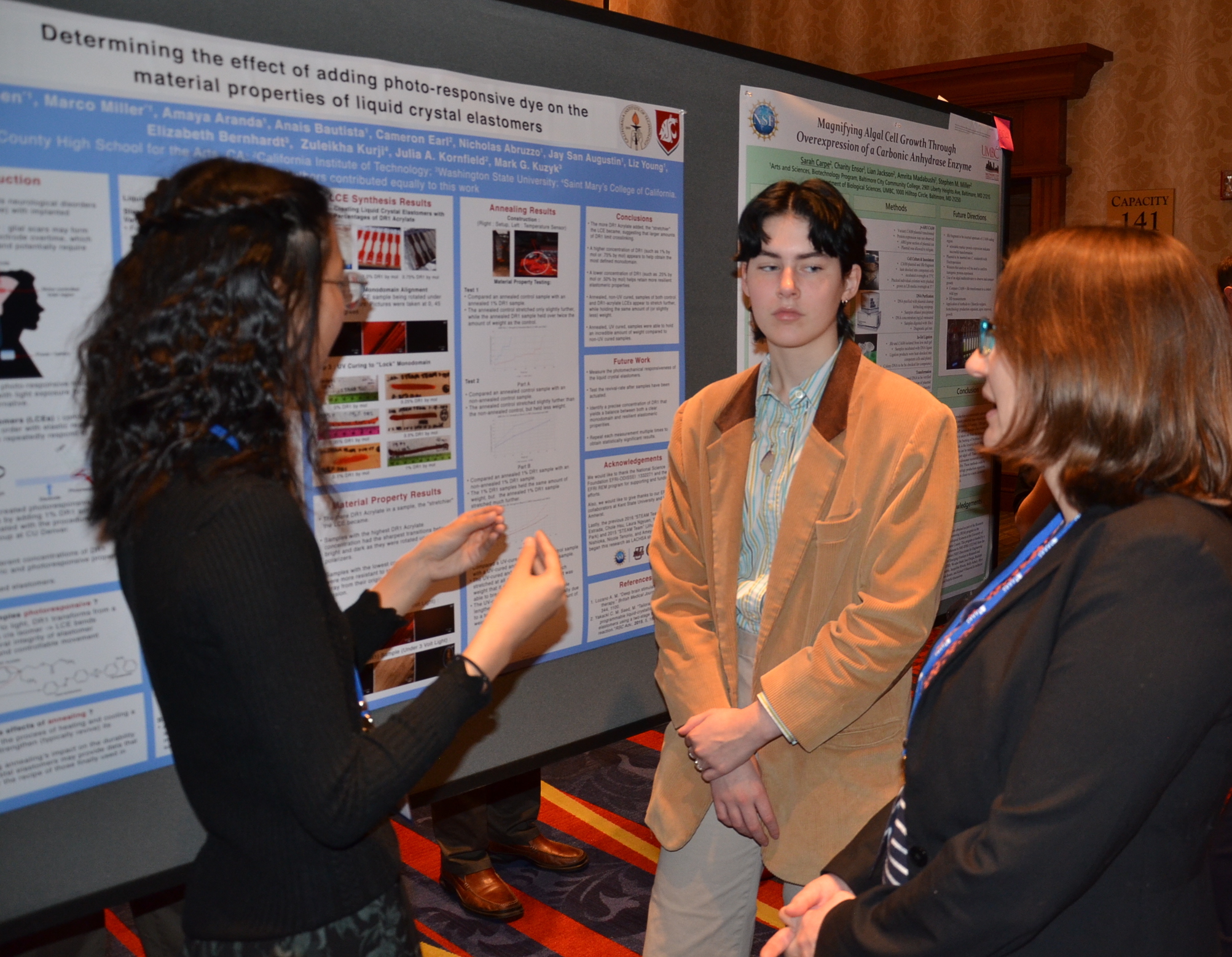
The program asks selected REM grantees to develop and implement a program that will train high school teachers, high school students, undergraduate students, and/or faculty from select institutions to be effective mentors/mentees and researchers. The programs are designed with a focus on sustained mentoring during and beyond the actual research experience. The Mentoring Catalyst and REM programs are particularly interested in broadening participation (e.g., underrepresented minorities (URM), women and persons with disabilities) in STEM fields that are represented in the programs. While the programs have been very successful at providing research opportunities for these unique demographics, the REM PIs (Principle Investigators) are asked to develop and implement a mentoring plan without any training or support in how to be effective mentors.
The Mentoring Cataly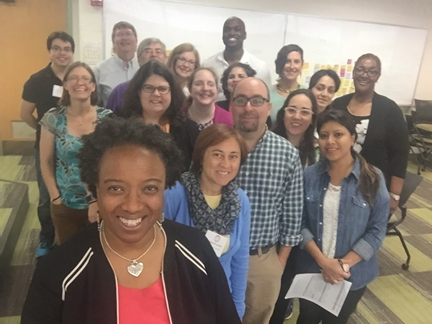 st REM programs provide an excellent opportunity to serve as a cohort to study the impacts of building a mentoring community that is provided with strong training for mentoring students and access to resources for help with real-time mentoring issues. The impetus for this initiative grew out of a series of workshops presented by Greenberg and Grant (PIs of Catalyst 1.0) at the annual EFRI-REM meeting that was integrated into the NSF sponsored Emerging Research Frontiers (ERN) annual meeting.
In those workshops (developed and presented by Branchaw, Greenberg and Grant), there was an emphasis on addressing the unique challenges and opportunities associated with mentoring in diverse communities. The team assembled for this initiative (Greenberg, Barta, Brown & Gluck) has extensive experience in the development and delivery of mentoring programs based on fundamental mentoring principles; they’ve also conducted small and large scale training focused on broadening participation in STEM.